Information
Landmark: Gyeongju National ParkCity: Gyeongju
Country: South Korea
Continent: Asia
Gyeongju National Park, Gyeongju, South Korea, Asia
Overview
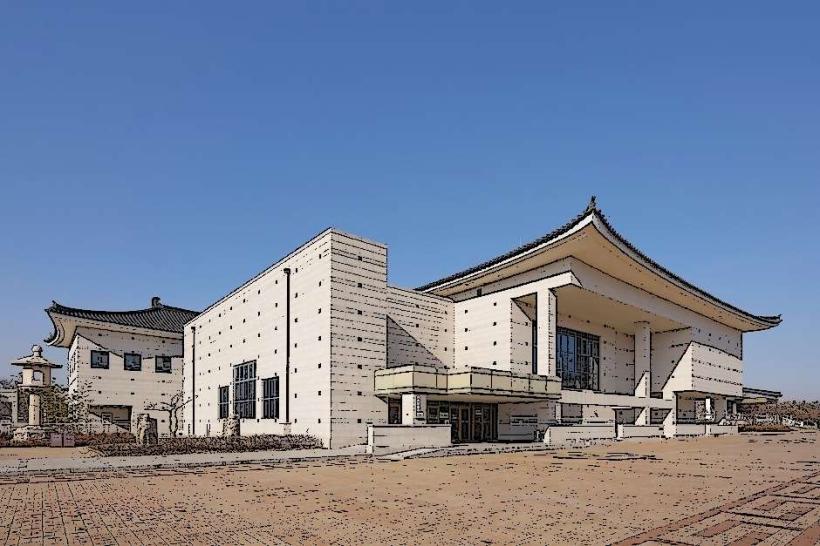
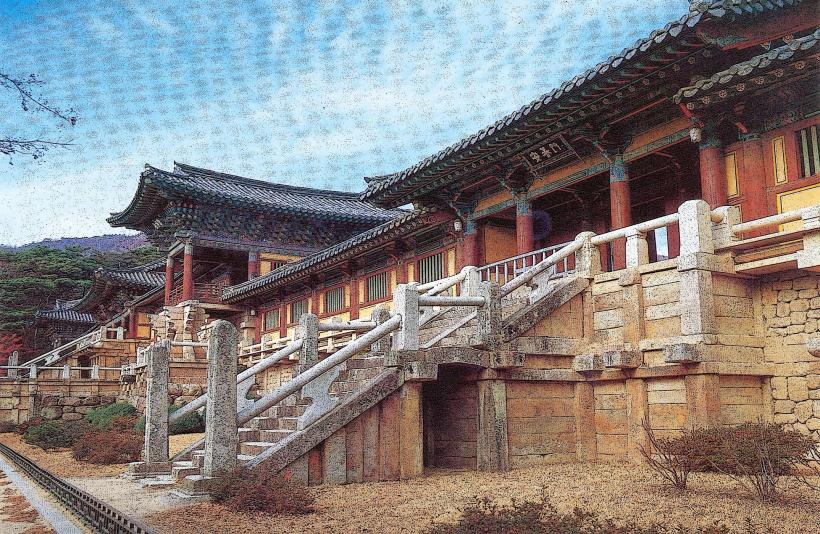
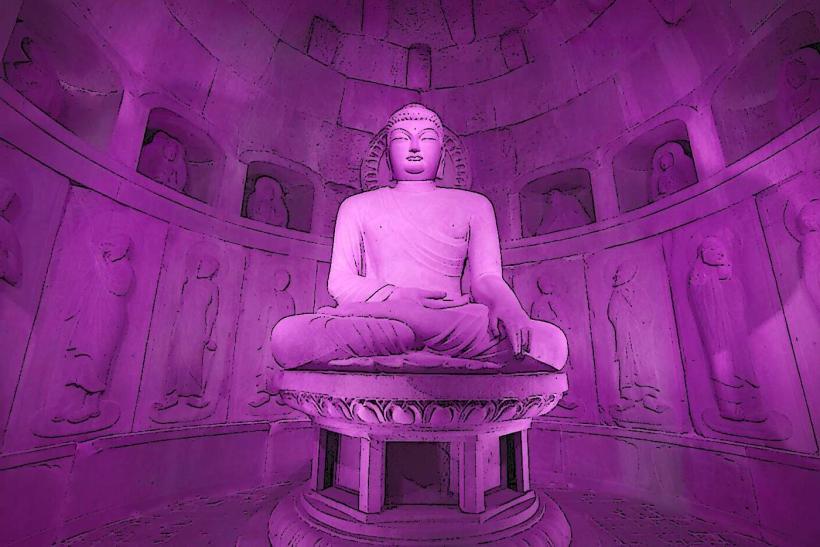
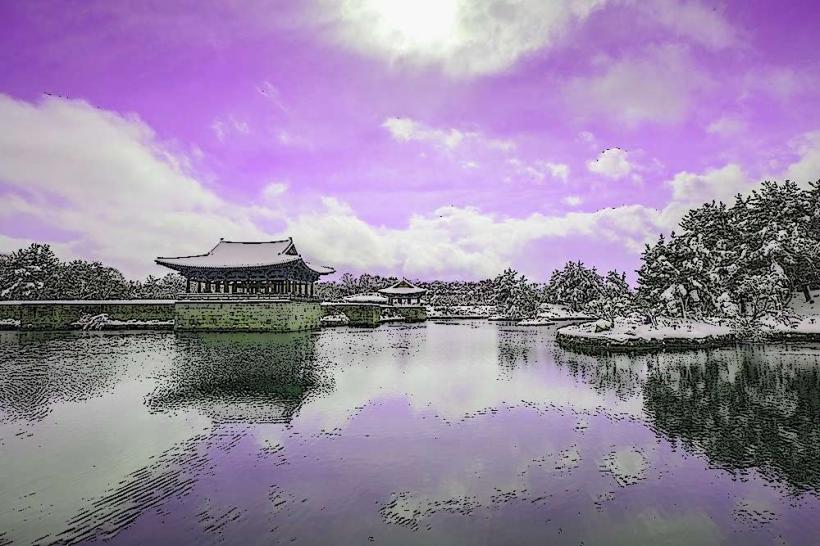
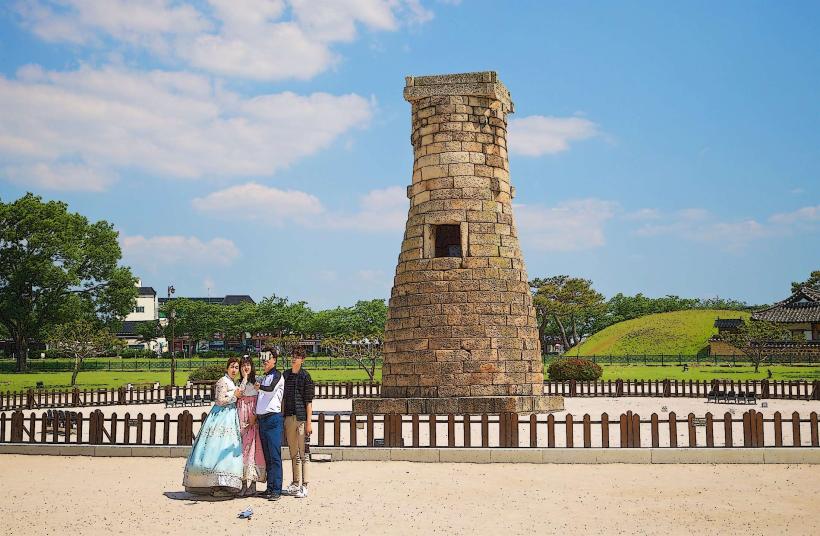
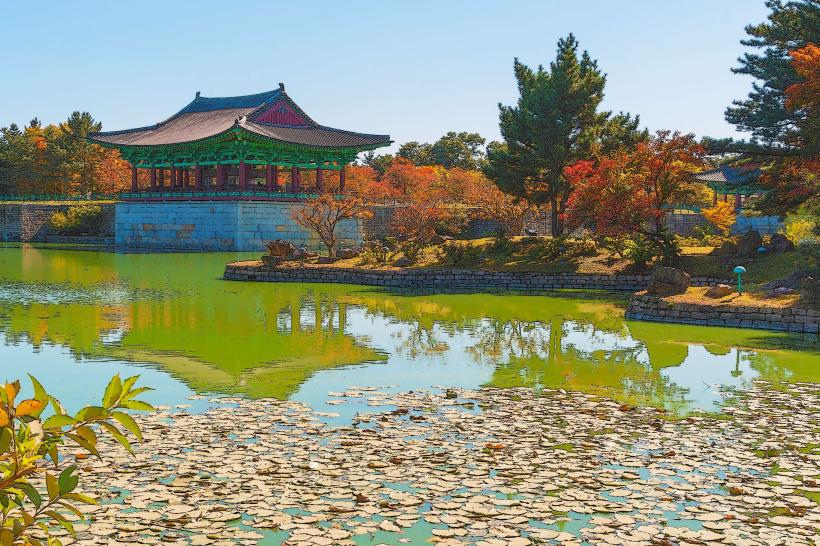
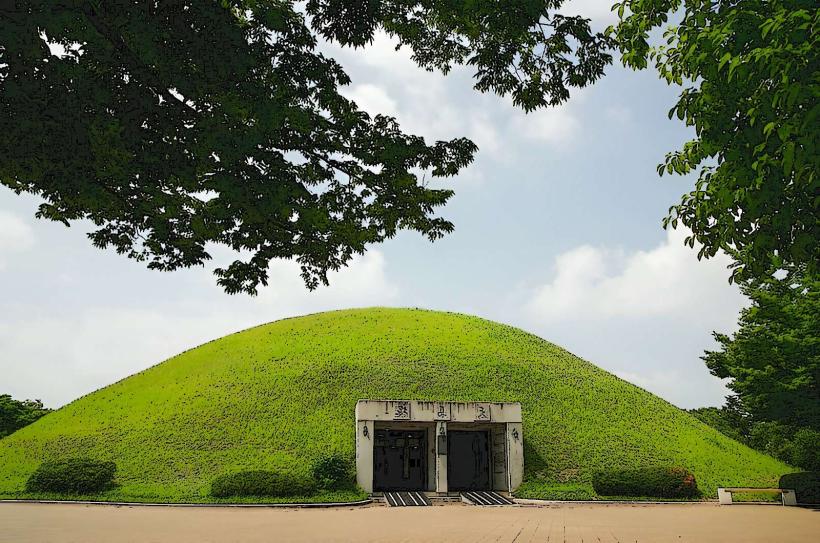
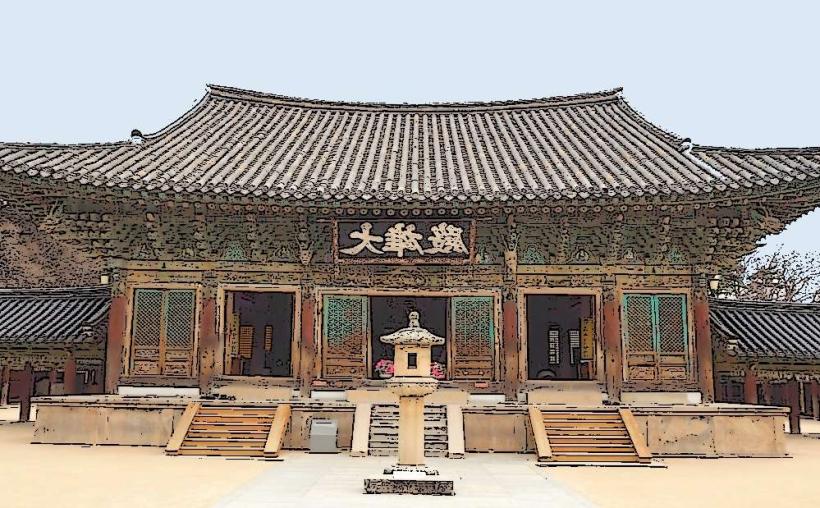
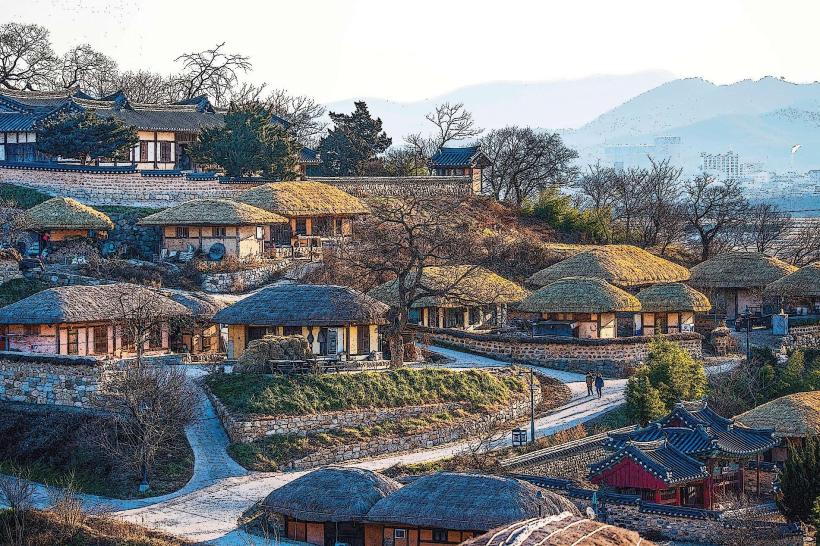
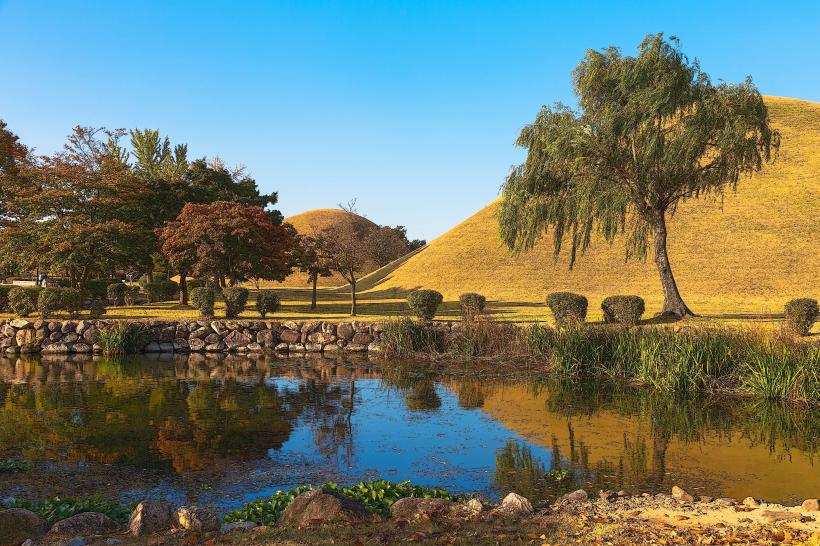
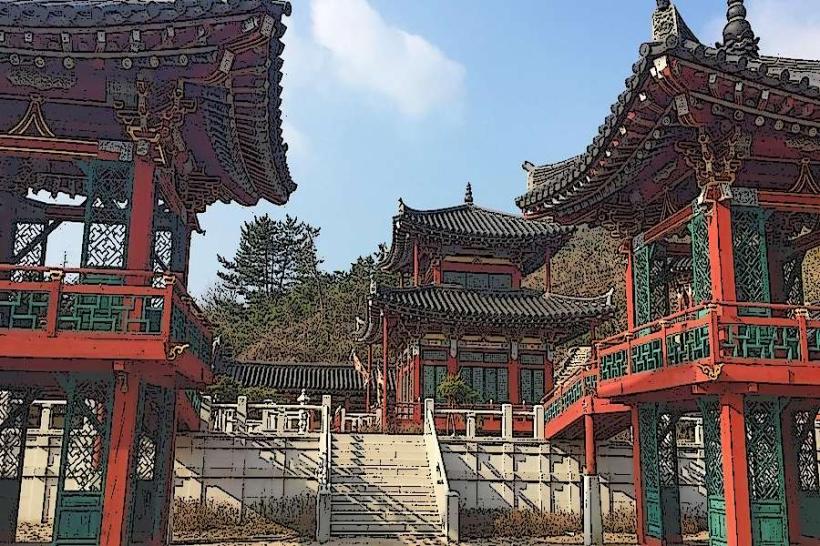
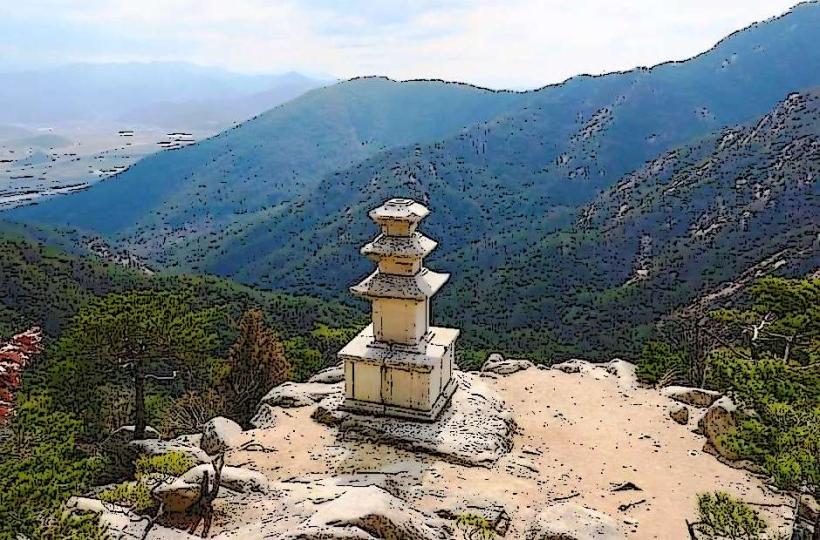
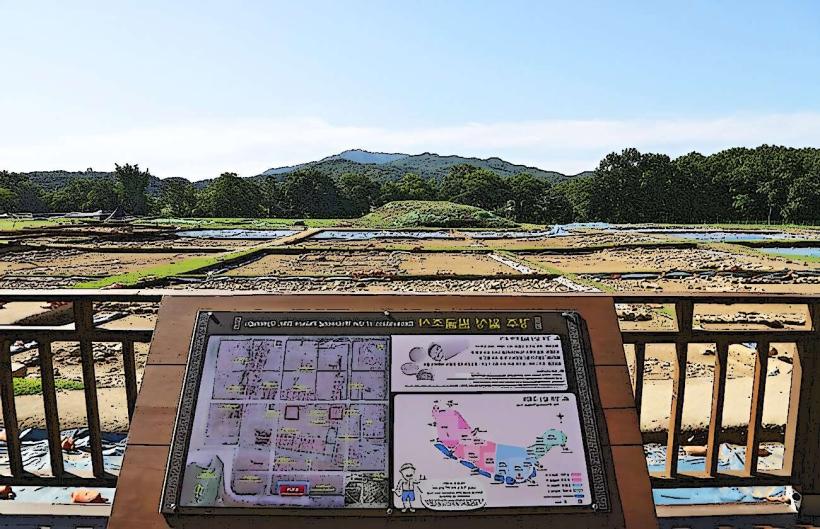
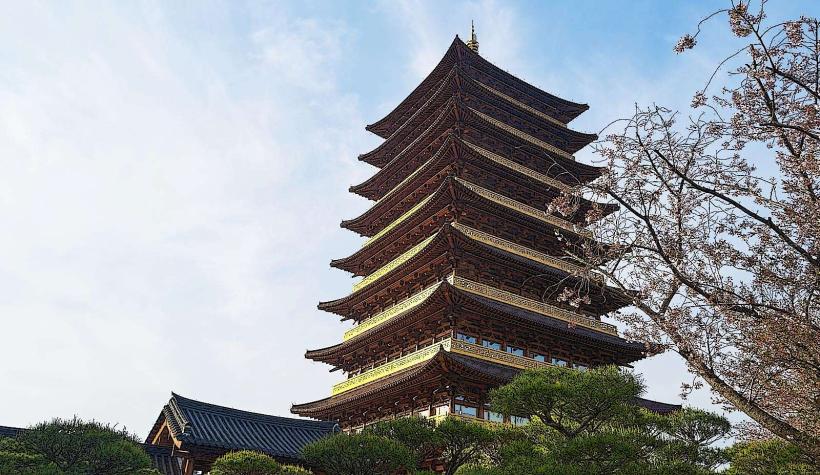
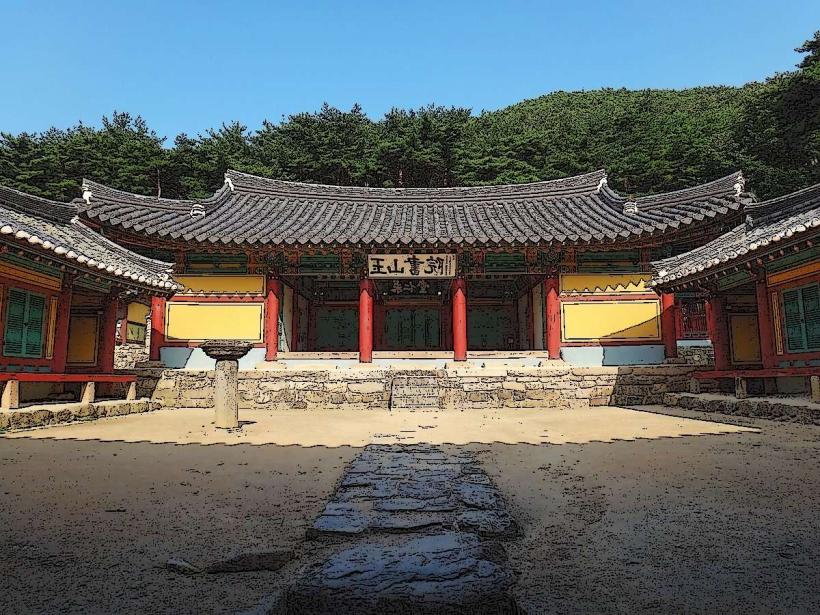
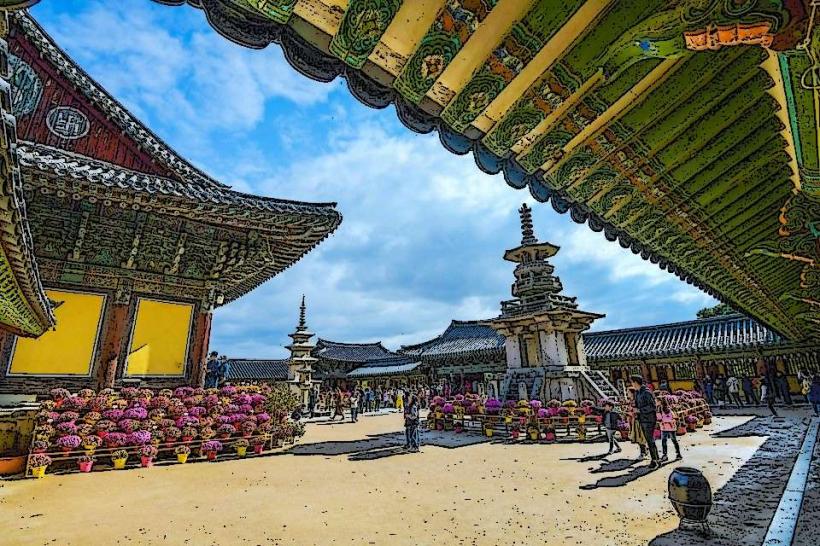
In Gyeongju, South Korea, Gyeongju National Park blends lush hills with ancient temples, offering both natural beauty and rich cultural history, besides founded in 1975, it ranks among the nation’s most treasured parks, where rugged cliffs meet ancient stone ruins and a deep cultural heritage runs through every trail.Gyeongju, the former capital of the Silla Dynasty (57 BCE–935 CE), overflows with archaeological treasures, from moss-covered tombs to centuries-vintage Buddhist temples, therefore the park protects wild green spaces and centuries-aged stories, blending quiet forests with weathered stone monuments into something truly one of a kind, slightly often Gyeongju National Park covers more than 200 square kilometers in eastern South Korea, just outside the historic city of Gyeongju, where ancient temples dot the green hills, as a result it stretches across rugged mountains and deep valleys, taking in much of Mount Namsan, Mount Toham, and the land that rolls out around them.Gyeongju National Park is celebrated for its rugged mountains, thick green forests, and valleys where clear streams wind through the shadows, on top of that this region shelters a rich mix of life-shining-feathered birds, swift mammals, and rare plants you won’t find anywhere else.Believe it or not, Cultural Landscape: The park is part of the Gyeongju Historic Areas, a UNESCO World Heritage Site that holds centuries-classical temples, ancient tombs, and the weathered stones of royal palaces, therefore the park blends the region’s rolling hills and wildflowers with centuries-timeworn ruins and ancient dig sites.Among Gyeongju National Park’s many sights, Mount Namsan stands out as its most famous landmark, with forested trails that wind past ancient stone Buddhas, and called the Silla Dynasty’s “sacred mountain,” it carries a deep cultural and spiritual weight, like the hush you feel standing among its ancient stone steps.The mountain is scattered with Buddhist temples, weathered stone carvings, serene statues, and ancient monuments, many dating back to the Silla period, and namsan draws hikers for its winding trails, and it also offers a rare mix of lush forests and centuries-classical stone carvings.On Namsan, you’ll find landmarks like Seokguram Grotto, a UNESCO World Heritage site that holds one of Korea’s most treasured Buddhist monuments-a serene stone Buddha gazing out from the cool, dim cave, what’s more buddhist stone carvings and crumbling temple ruins dot the mountain slopes, some half-hidden under moss and fallen leaves.Cheonwangdae, a broad stone platform, stands beside several carved Buddha statues, their faces worn smooth by centuries of wind and rain, in addition gyeongju National Park sits at the heart of the Gyeongju Historic Areas, where you’ll find some of Korea’s most treasured ancient sites, from weathered temple stones to royal tombs rising from grassy fields.One highlight of the park is the Daereungwon Tomb Complex, where more than twenty massive grassy mounds rise from the earth, marking the resting places of Silla kings and queens, at the same time visitors can wander through ancient tombs, running a hand over cool stone walls, while discovering the burial traditions of the Silla Kingdom.Funny enough, Cheomseongdae Observatory, the oldest in East Asia, was built by the Silla Dynasty to track the stars and guide planting-its stone tower still catches the first light of dawn, in addition Banwolseong Ruins are all that remain of the grand Silla royal palace, where stone walls once framed sweeping courtyards.Anapji Pond, a royal garden from the Silla period, is renowned for its graceful beauty and its deep destination in Silla history, especially when moonlight shimmers across its still water, as well as mount Toham (토함산) rises proudly within the park, sheltering Bulguksa Temple, a UNESCO World Heritage site where stone steps lead to one of Korea’s most celebrated Buddhist sanctuaries.Built in the Silla Dynasty, Bulguksa holds countless Buddhist treasures and historic buildings, from the graceful Dabotap to the weathered stones of Seokgatap, likewise from the mountain’s summit, you can take in sweeping views of the valley below, then follow winding trails that lead to a temple and tucked‑away waterfalls.You know, Gyeongju National Park teems with life, giving visitors the chance to spot deer grazing in the distance, wild boars rustling through undergrowth, quick darting squirrels, and a colorful mix of birds overhead, likewise the park’s mountains are draped in lush forests, where cool-climate oaks grow alongside subtropical palms, creating a paradise for anyone who loves plants.If I’m being honest, The park draws the biggest crowds in spring, when wildflowers scatter color across the hills, and again in autumn, as fiery leaves turn every path into a postcard, not only that photographers and nature lovers flock to capture the blush of cherry blossoms in spring and the fiery reds and golds of autumn leaves, maybe Gyeongju National Park offers trails for every hiker, from gentle forest paths to steep climbs with sweeping valley views, drawing outdoor lovers from near and far, besides the trails wind through cool, shaded forests, climb toward rugged mountain peaks, and end at historic sites like Seokguram and Bulguksa.Along the way, visitors can take in sweeping mountain views, step inside quiet antique temples, and wander past weathered historic sites, what’s more most trails are clearly marked and well kept, with signs you can spot even through the trees, and many let you take in the stillness of the woods while stepping through pieces of the past.As far as I can tell, The park has several visitor centers and tiny museums where you can pick up maps, hear stories about its history, and learn about its best trails and sights, at the same time many of these centers showcase hands-on exhibits about the region’s wildlife and the traditions that shaped its people.From what I can see, Just steps from the park, Gyeongju National Museum displays treasures from the Silla period-gleaming gold crowns, weathered pottery, and delicate Buddhist relics, what’s more at the museum, you can explore Gyeongju’s archaeological finds-delicate pottery, ancient tools-and learn why the park’s historic sites still matter today.Spring in the park is a showstopper, with pale-pink cherry blossoms drifting on the breeze and wildflowers splashing color across the grass, in turn this time of year, Bulguksa Temple glows in the soft light, and Mount Namsan’s slopes turn rich with color.Frankly, In autumn, the mountain slopes blaze with red, yellow, and orange leaves, drawing visitors eager to discover the season’s fiery display, simultaneously winding through the park, the hiking trails offer a perfect way to take in the blaze of autumn leaves crunching underfoot, in a sense In winter, the park settles into a calm hush, with snow softening every footstep, as well as snow-dusted peaks rise behind quiet temples, where the air feels still enough for a deep, unhurried breath, to some extent As you can see, In the end, Gyeongju National Park feels like a destination where forested hills brush up against centuries-antique temples, and nature and history meet in breathtaking harmony, not only that visitors can hike through rugged, pine-scented mountains, wander among centuries-vintage temples, and spot everything from soaring eagles to shy deer.If you’re drawn to Korean history, Buddhism, and the outdoors, this setting belongs on your list-it weaves temple bells, mountain air, and centuries of culture into one unforgettable adventure, as a result you can hike through misty mountain trails, wander among centuries-antique temples, or pause to take in sweeping vistas-Gyeongju National Park shines as one of South Korea’s most treasured landscapes.
Author: Tourist Landmarks
Date: 2025-09-16